
ABOUT
Music is my path, my calling, and my joy. I believe that the human voice has the power to inspire, to heal, and to bring people together.
Tatiana Steinmüller’s artistic work grows from a deep connection to the human voice — as an instrument of expression, storytelling, and emotional truth. Her repertoire moves between opera, concert music, early music, and contemporary works, reflecting a wide artistic curiosity and a desire to create meaningful encounters through music.
As a soprano, she seeks not only to perform, but to communicate: to open a space in which sound, text, and emotion can reach the listener directly.
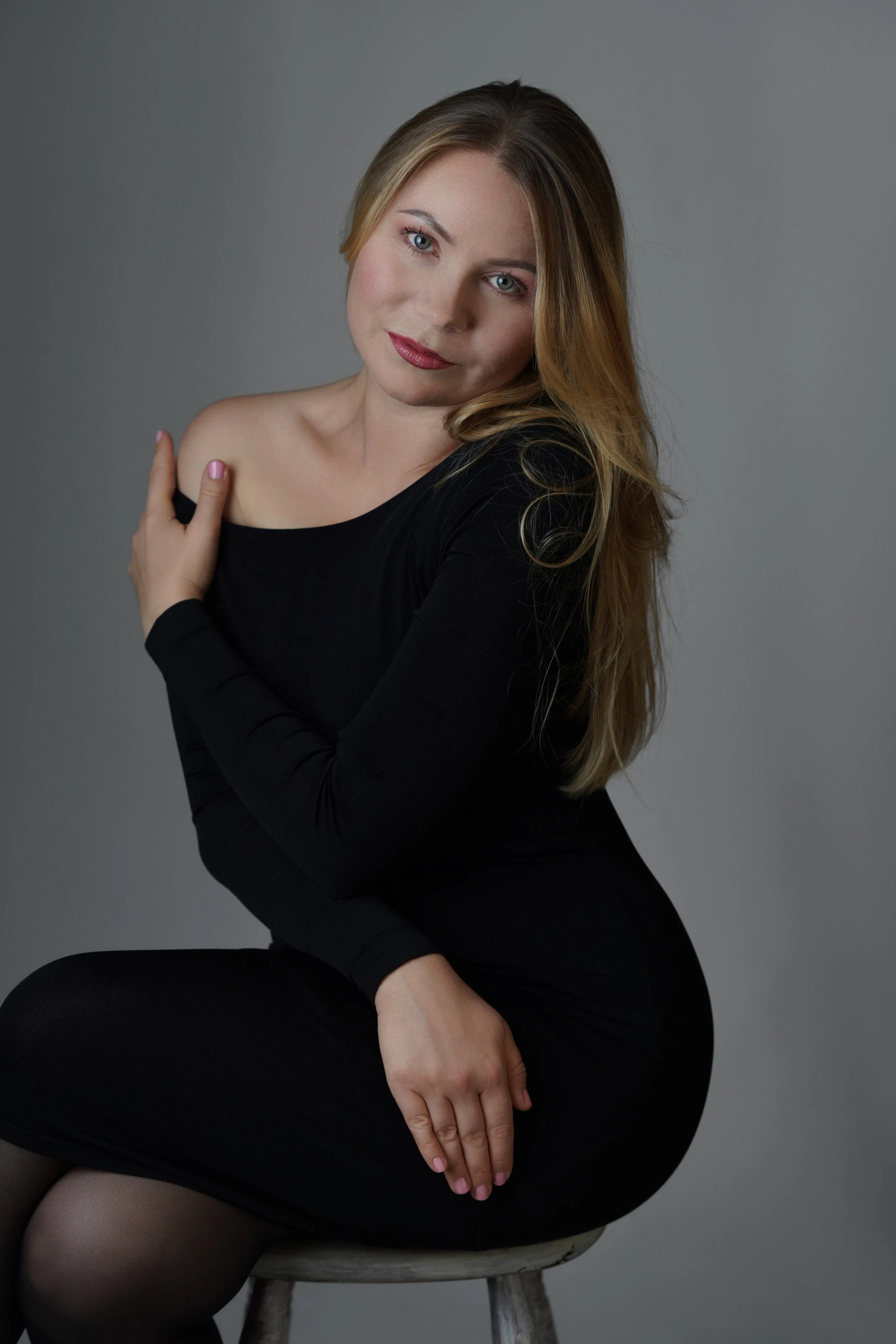
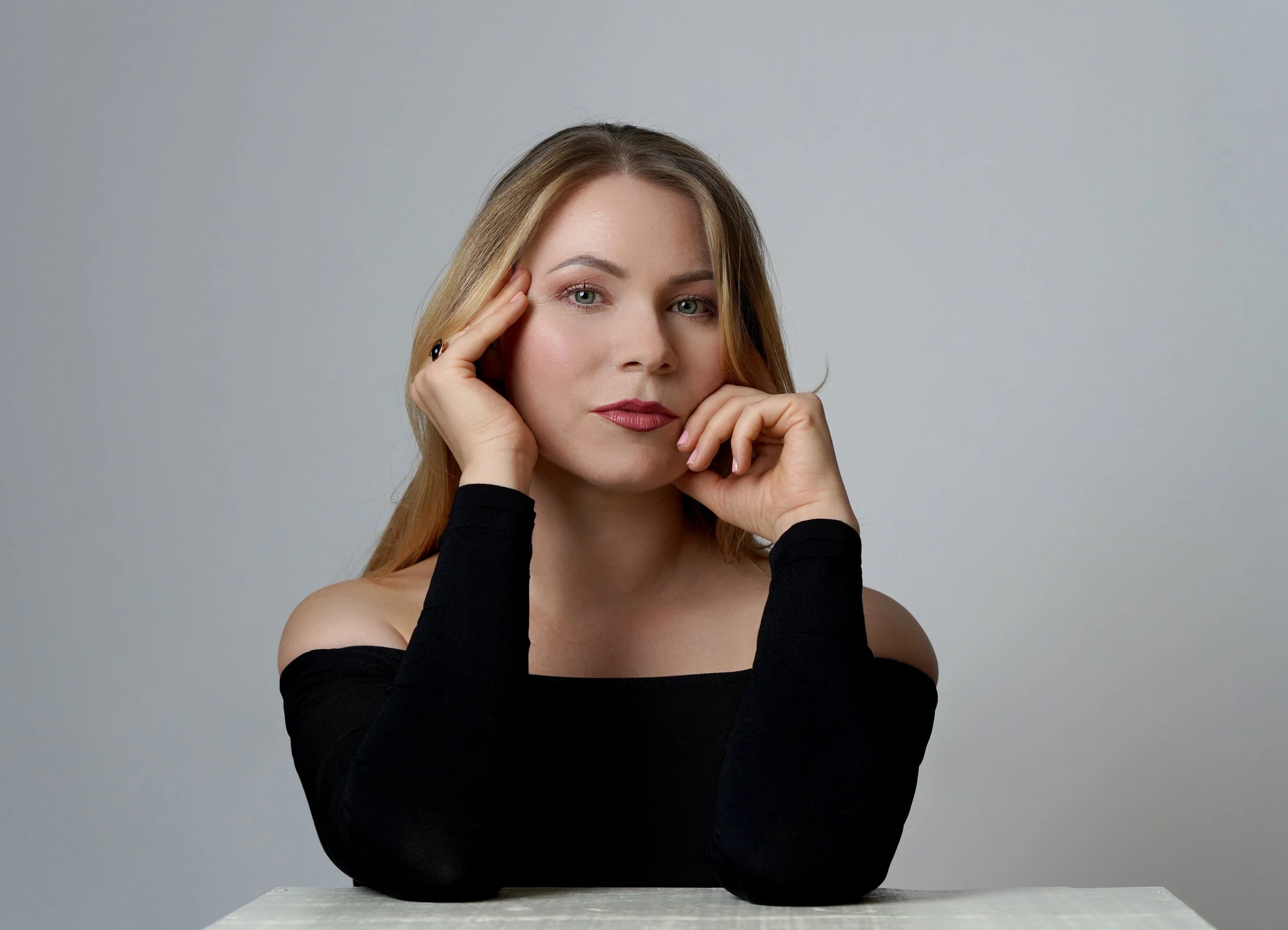
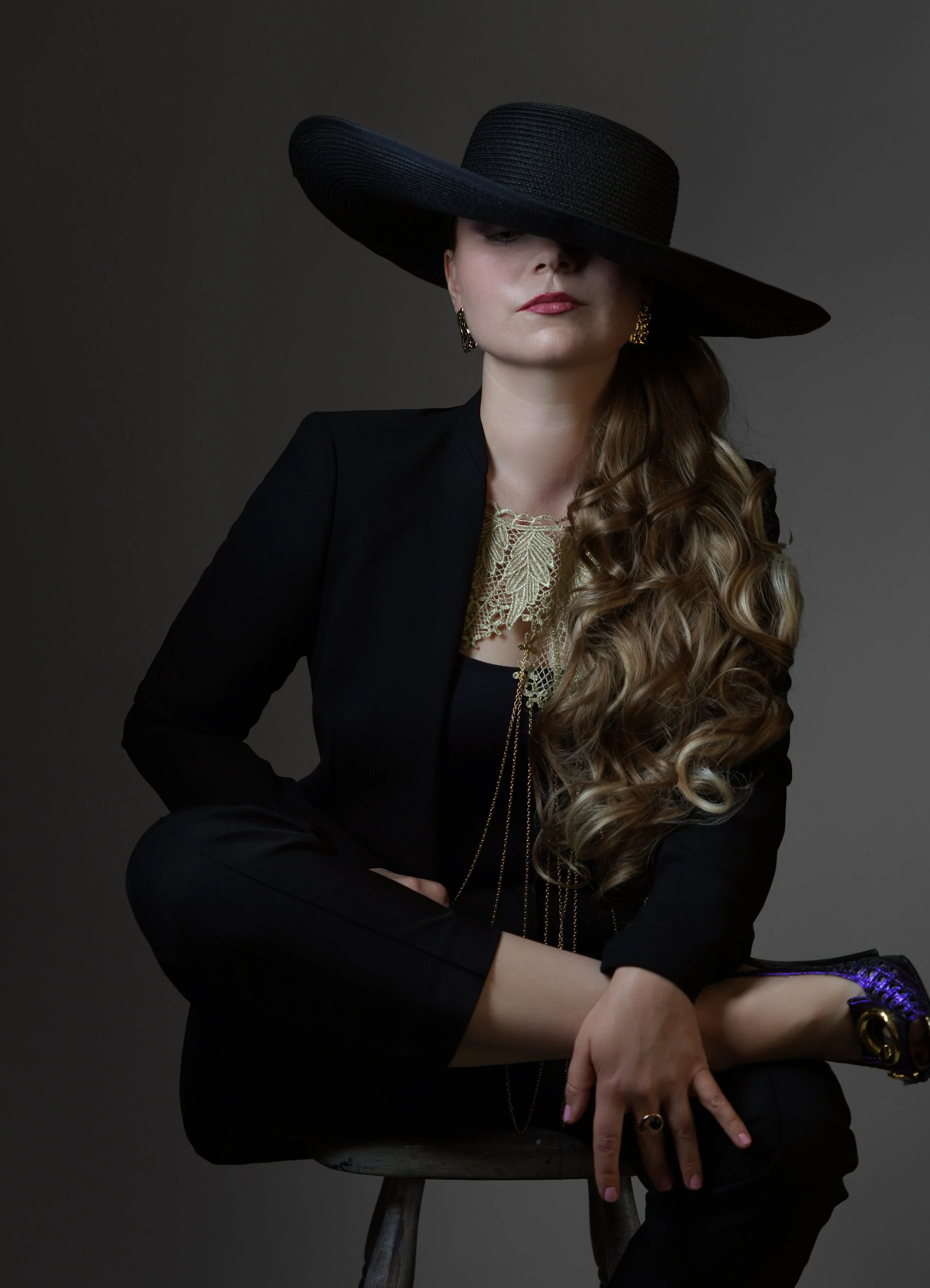
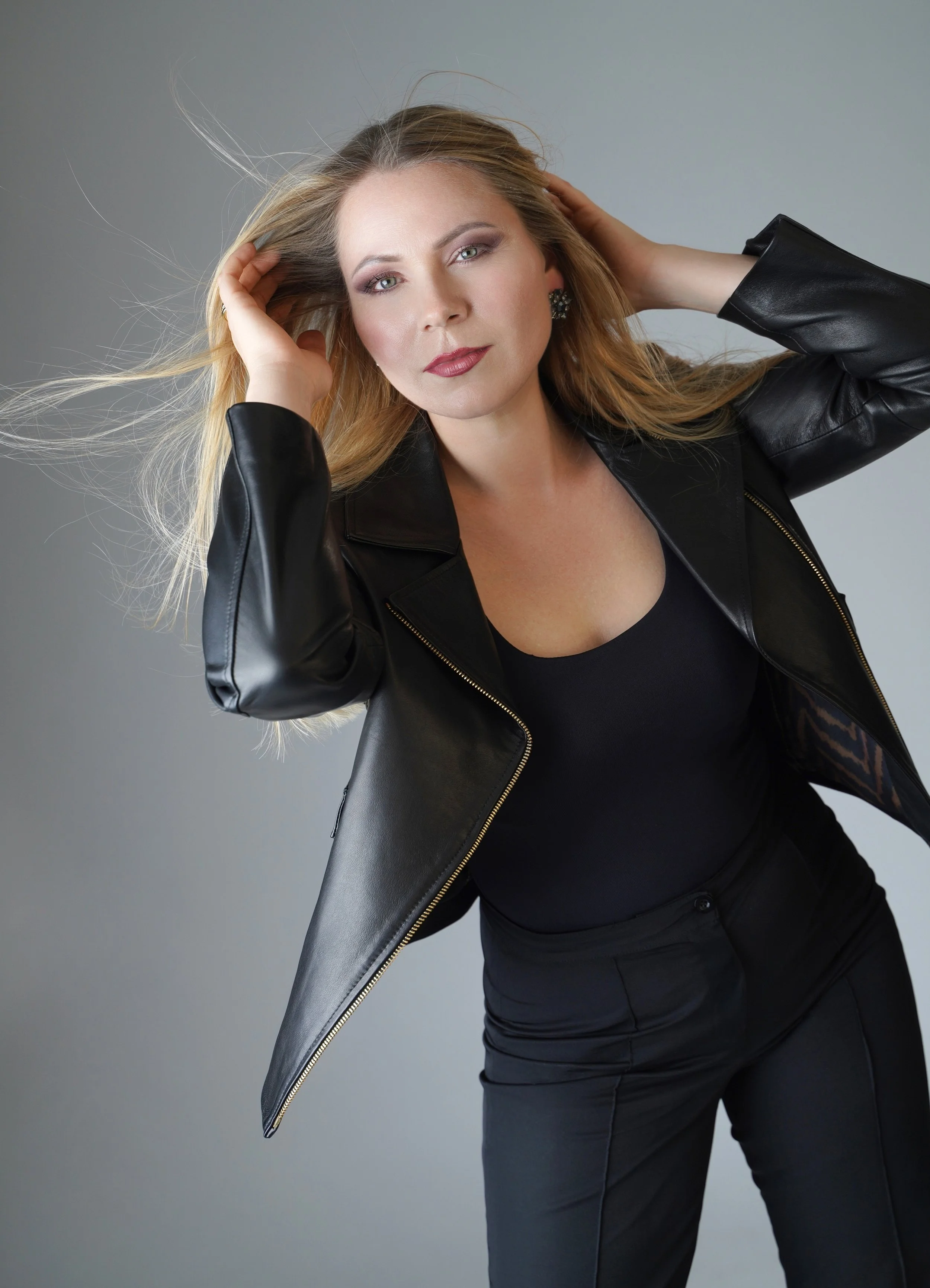
Tatiana Steinmüller is a German soprano whose warm, finely shaded voice combines lyrical flexibility with the capacity for dramatic expansion. Her artistic profile is defined by stylistic versatility, uniting technical assurance with musical and dramatic precision across a broad spectrum of repertoire.
Her repertoire encompasses Mozart, bel canto, Verdi and Puccini, Russian romantic opera, German repertoire, operetta, and contemporary works. Her roles range from Juliette (Roméo et Juliette) and Tatiana (Eugene Onegin) to Rusalka, Iolanta, Leonora (Il trovatore), Elsa (Lohengrin), and Agathe (Der Freischütz). Additional repertoire includes Rosalinde (Die Fledermaus), Violetta (La Traviata), Mimì and Musetta (La Bohème), Micaëla (Carmen), Donna Anna (Don Giovanni), the Countess (Le nozze di Figaro), Cleopatra (Giulio Cesare), as well as operetta repertoire including Giuditta and “Vilja” (Die lustige Witwe).
Her artistic activity encompasses both opera and concert performance. In her concert programs, Tatiana Steinmüller combines operatic repertoire with art song traditions from various European cultures, creating dramaturgically conceived programs that unite lyrical subtlety with dramatic intensity. An important part of her concert repertoire includes works by Johann Sebastian Bach and George Frideric Handel, as well as French repertoire featuring compositions by Poulenc, Caplet, Rameau, Saint-Saëns, and Debussy in the program L’esprit français.
Her professional activity is primarily focused on Germany and other European countries. She has participated in projects of the Academy of Young Singers of the Mariinsky Theatre and has appeared in the context of the St. Petersburg Opera as well as with the Academic Glinka Choir under the direction of Vladislav Chernushenko. In St. Petersburg, she also collaborated with the State Academic Symphony Orchestra and the Tavrichesky Symphony Orchestra in concert performances, further expanding her symphonic repertoire.
A significant artistic collaboration connects her with the composer Vadim Werbitzky, who has written several works specifically for her voice, including Offertorium pro pace (2022). Werbitzky has described her voice as exceptionally nuanced and color-rich, capable of conveying complex contemporary scores with precision and immediacy.
Since 2025, she has been a co-founder of the ensemble Superare la distanza alongside Bella Kublanova (traverso and modern flute), Olga Zheltikova (piano and harpsichord), Vadim Werbitzky (composition and synthesizer), and philosophical performer Olga Pak. The ensemble is dedicated to historically informed performance practice, presenting works by Johann Sebastian Bach and George Frideric Handel on period instruments while integrating contemporary and interdisciplinary repertoire into its programming.
During her studies, Tatiana Steinmüller was a member of the choir of the International Handel Festival Karlsruhe, deepening her engagement with Baroque repertoire and historically informed performance practice. She also appeared as a soloist with the ensemble Polyphonia in cooperation with the Karlsruhe University of Music under the direction of Matthias Beckert.
She received important artistic impulses through masterclasses with Diana Damrau, Elena Mosuc, Brigitte Fassbaender, Elena Obraztsova, Josef Loibl, and Snežana Stamenković.
Tatiana Steinmüller was born in St. Petersburg and grew up in a family of opera singers. Her mother, the internationally active soprano Elena Nebera, was a soloist of the Mariinsky Theatre and appeared at major houses including Teatro Colón Buenos Aires, Staatsoper Unter den Linden Berlin, Bayerische Staatsoper, Hamburg State Opera, Cologne Opera, Stuttgart State Opera, and Palau de les Arts Valencia, among others. She performed under conductors such as Lorin Maazel.
Elena Nebera was and remains a decisive artistic influence in Tatiana Steinmüller’s artistic development and continues to guide her vocal work as her teacher. Through this environment, Tatiana was introduced to the professional operatic world from earliest childhood, travelling to major European opera capitals and experiencing rehearsals and performances at close range. As a child, she memorized entire roles her mother was preparing — including Tatiana in Eugene Onegin and Lisa in Pique Dame — absorbing musical structure and dramatic pacing long before beginning formal vocal studies.
Her formal musical education began at the age of six with violin and piano studies in St. Petersburg, both completed with distinction. She later studied voice at Herzen State University in St. Petersburg. Before fully dedicating herself to music, she also pursued law studies at Goethe University Frankfurt.
Today she is based in Karlsruhe, where she continues to develop her artistic profile across opera, concert repertoire, and interdisciplinary musical projects.